South Sumatra

South Sumatra

Sumatera Selatan

Scroll Down

Sumatera Selatan

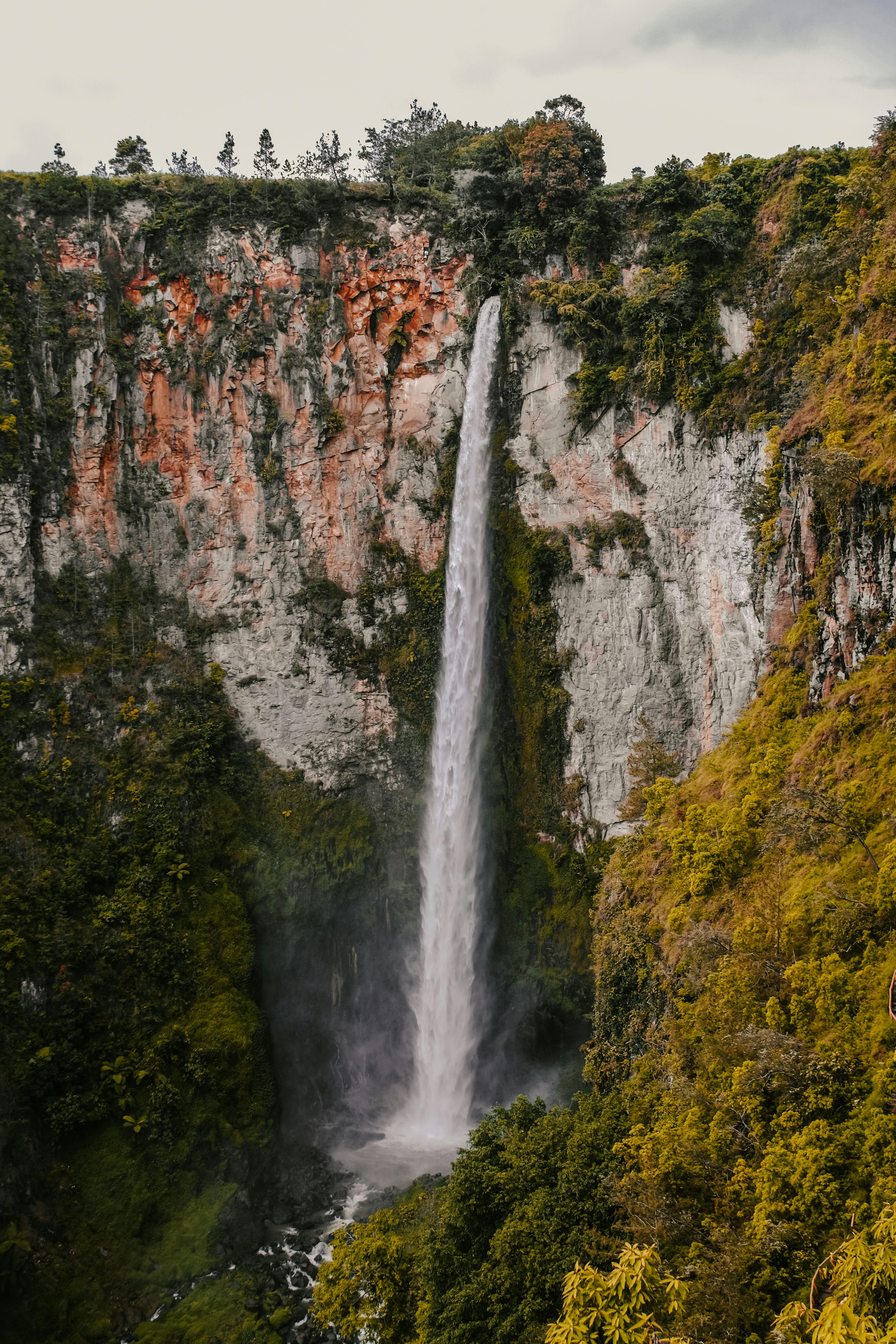
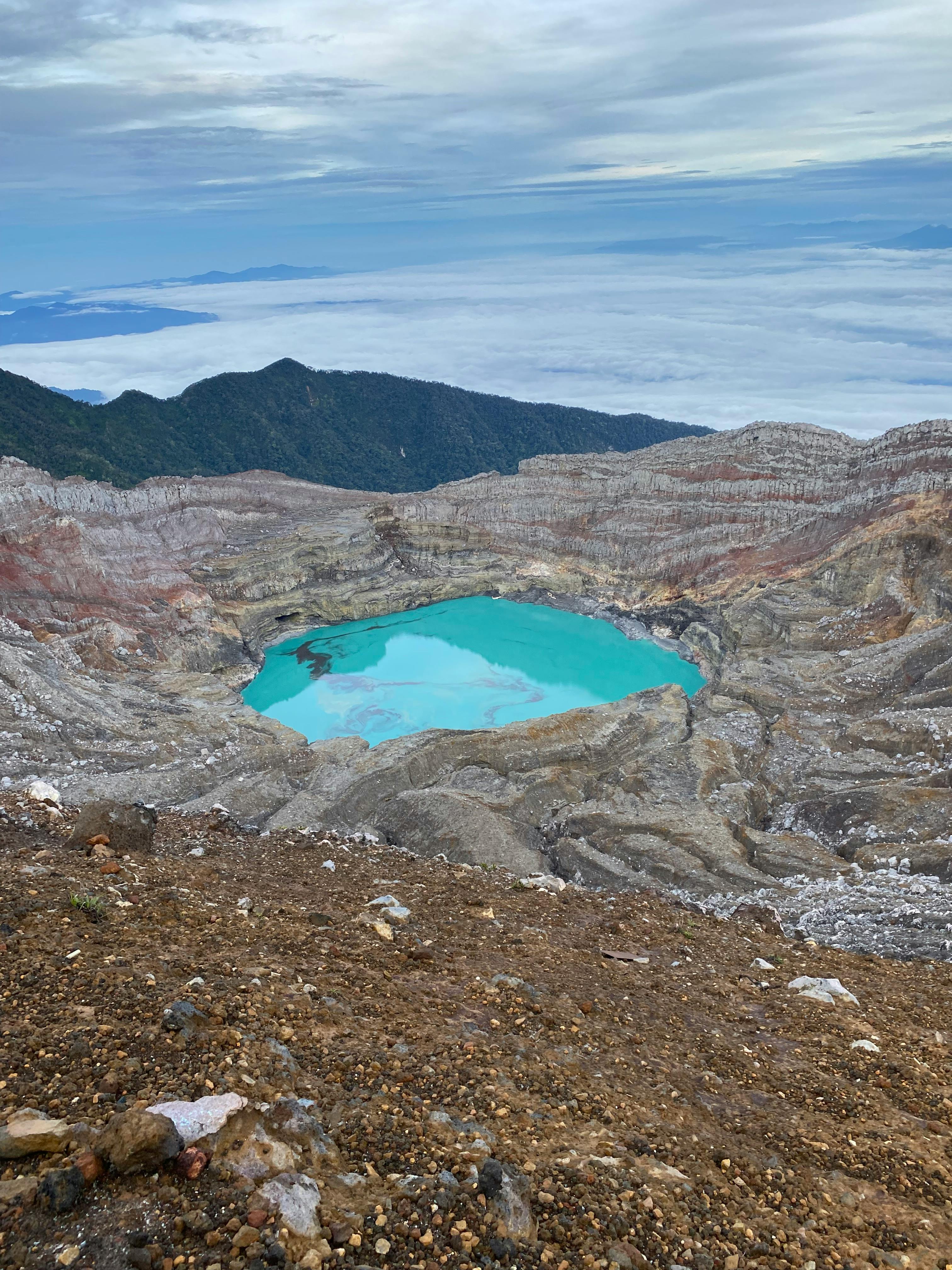
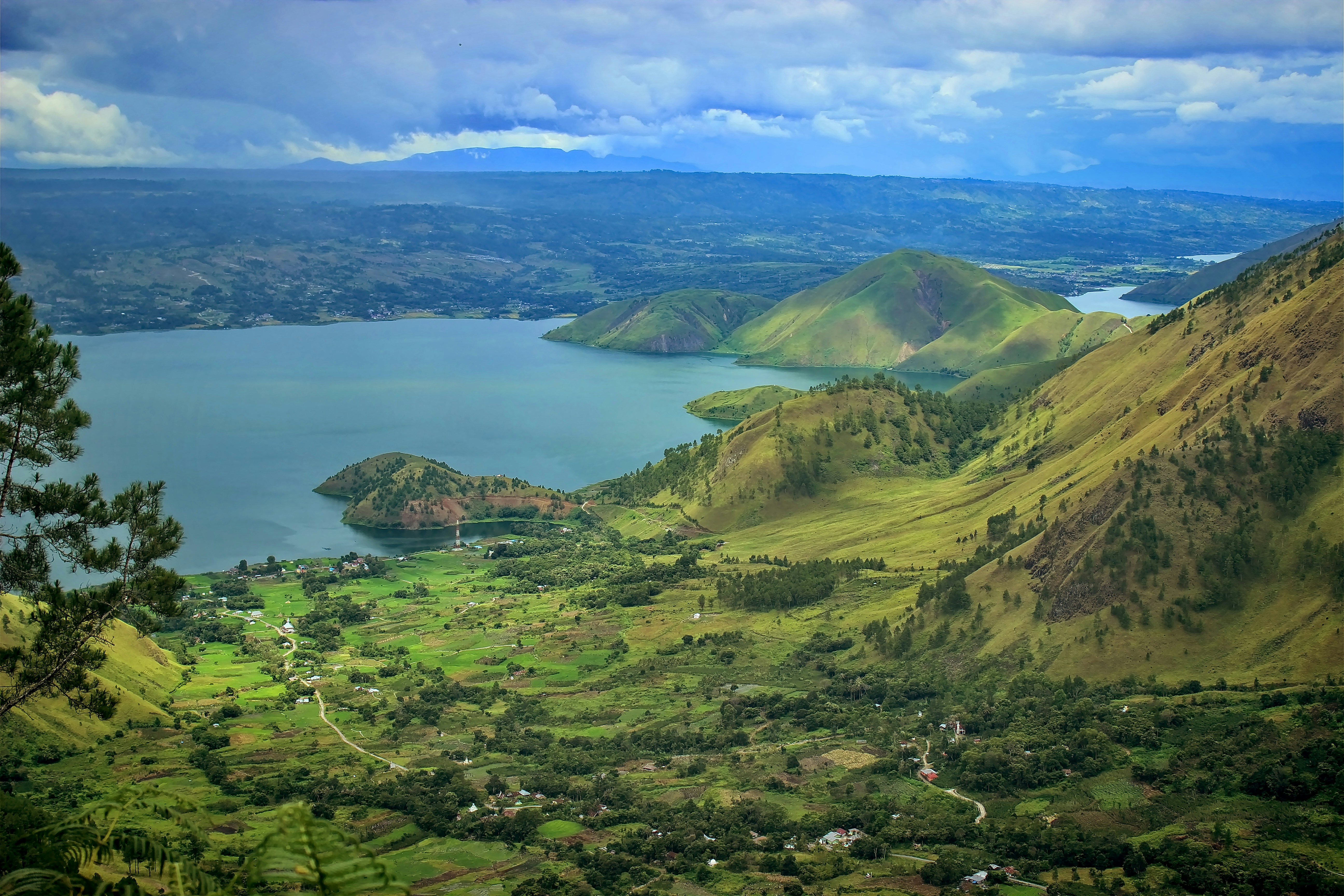
South Sumatra is a province located in the southern part of Sumatra Island, with Palembang as its capital city. The region is known for its rich ethnic, cultural, and religious diversity, with the Malay ethnic group forming the majority alongside Komering, Ogan, Palembang, and migrants such as Javanese and Minangkabau communities. Its economy is supported by mining, plantations, agriculture, and the energy sector. The province is one of Indonesia’s major producers of coal, petroleum, natural gas, rubber, and palm oil. Historically, South Sumatra holds significant importance as the center of the Sriwijaya Empire—a powerful maritime kingdom that dominated Southeast Asia between the 7th and 13th centuries. Palembang, one of the oldest cities in Indonesia, features iconic sites such as Ampera Bridge, Musi River, and Kampung Kapitan. The province also offers stunning natural landscapes including Lake Ranau, Bukit Serelo, and the protected wetlands of Sembilang National Park. Officially established on September 12, 1950, South Sumatra continues to grow as a strategic economic hub in Sumatra, combining its rich cultural heritage, natural resources, and developing infrastructure.

Best Time To Visit

June - September for the most comfortable weather and fewer rainy days.

Climate

Tropical climate with average temperatures between 24–33°C. Rainy season usually occurs from October to April.

Highlights

Travel Etiquette in South Sumatra

  • Respect local customs, especially during traditional ceremonies and rituals.
  • Dress appropriately at religious events or when visiting Rumah Limas.
  • Ask for permission before photographing people or sacred items.
  • Try local culinary specialties and visit Songket artisan centers.
  • Follow proper etiquette when sitting or entering traditional Palembang houses.
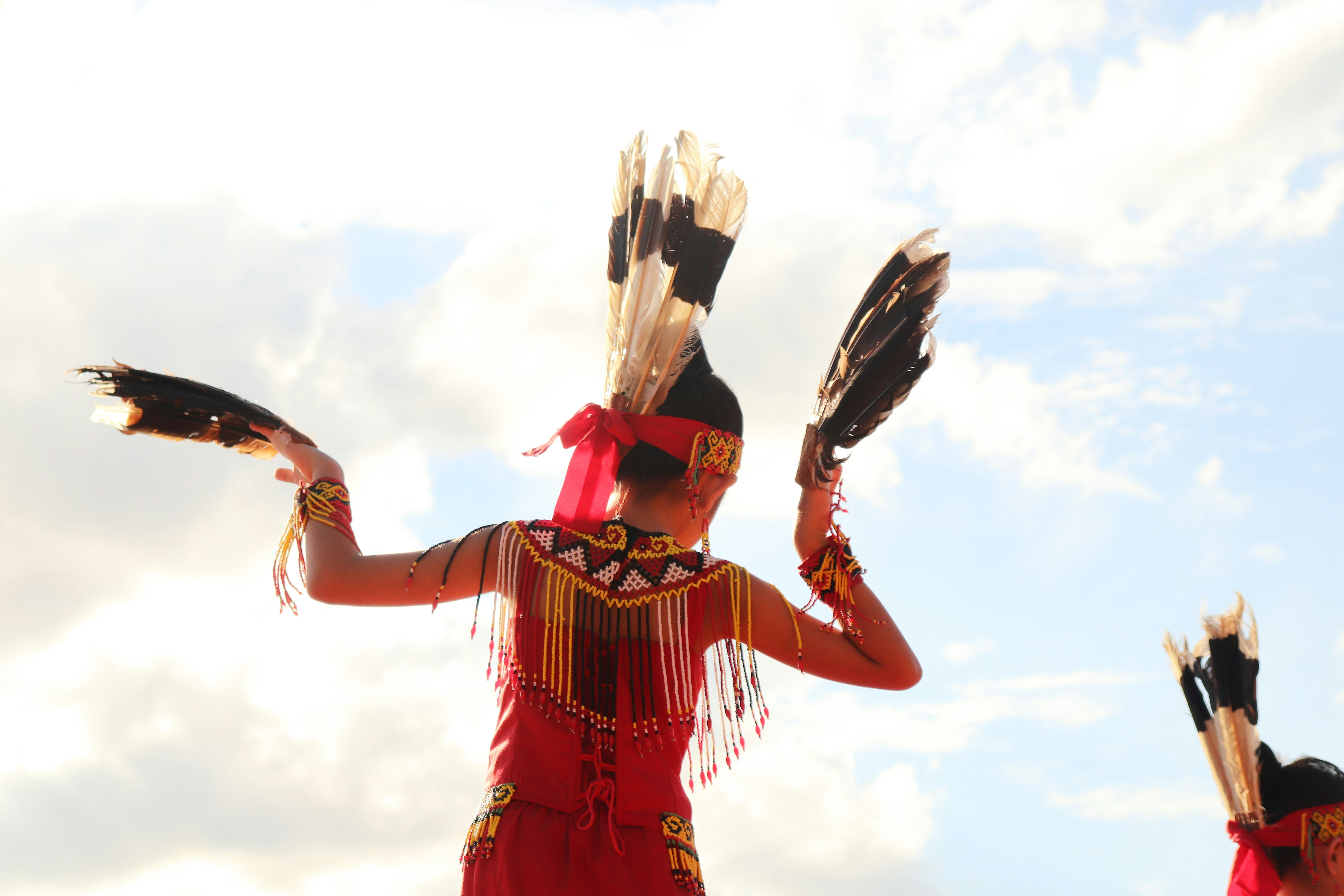
  • Show appreciation for local arts such as Gending Sriwijaya and Tanggai Dance.

Things to Avoid in South Sumatra

  • Do not enter Rumah Limas or ceremonial areas without permission.
  • Avoid touching traditional accessories such as Siger or Songket without consent.
  • Do not speak or eat disrespectfully during formal cultural events.
  • Avoid sitting in sacred or elevated areas within traditional houses.
  • Do not litter or harm natural landscapes such as Lake Ranau or Bukit Serelo.
  • Avoid dismissing cultural rituals or speaking arrogantly to locals.

Travel Tips

  • Dress modestly when visiting traditional ceremonies or religious sites.
  • Ask permission before taking photos during cultural rituals or inside traditional houses.
  • Follow local etiquette such as proper sitting posture in Rumah Limas.
  • Respect elders and avoid interrupting conversations or ceremonies.
  • Try local dishes from trusted traditional Palembang eateries.
  • Be mindful when visiting forests, lakes, or protected cultural sites.

Popular Foods

  • Pempek — Palembang’s most iconic fishcake dish served with tangy vinegar sauce.
  • Tekwan — savory fishball soup with mushrooms and vegetables.
  • Pindang Patin — spicy-sour fish soup rich in herbs.
  • Maksuba Cake — a layered traditional cake made from rich egg batter.
  • Kue Delapan Jam — steamed caramel-like cake traditionally cooked for eight hours.
  • Model Soup — fishcake dumpling soup similar to Tekwan but with different texture.

Top Activities

  • Exploring the historical heritage of the Sriwijaya Empire and Palembang Sultanate.
  • Visiting Benteng Kuto Besak, Museum Sultan Mahmud Badaruddin II, and Rumah Limas.
  • Trekking at Bukit Serelo and enjoying the scenic views.
  • Relaxing at natural hot springs in Pagar Alam.
  • Exploring the ancient megaliths in Pagar Alam’s highlands.
  • Enjoying lake activities and sightseeing at Lake Ranau.
  • Watching cultural performances such as Gending Sriwijaya and Tanggai Dance.
  • Shopping for authentic Songket textiles in Tangga Buntung or 13 Ulu.

EXPLORE INDONESIA

Discover the Wonders of Indonesia’s Regions

Sumatra

Sumatra

Java

Java

Kalimantan

Kalimantan

Sulawesi

Sulawesi

Maluku & Papua

Maluku & Papua

Bali & Nusa Tenggara

Bali & Nusa Tenggara